
Why Secure Payment Solutions Matter for Modern Businesses

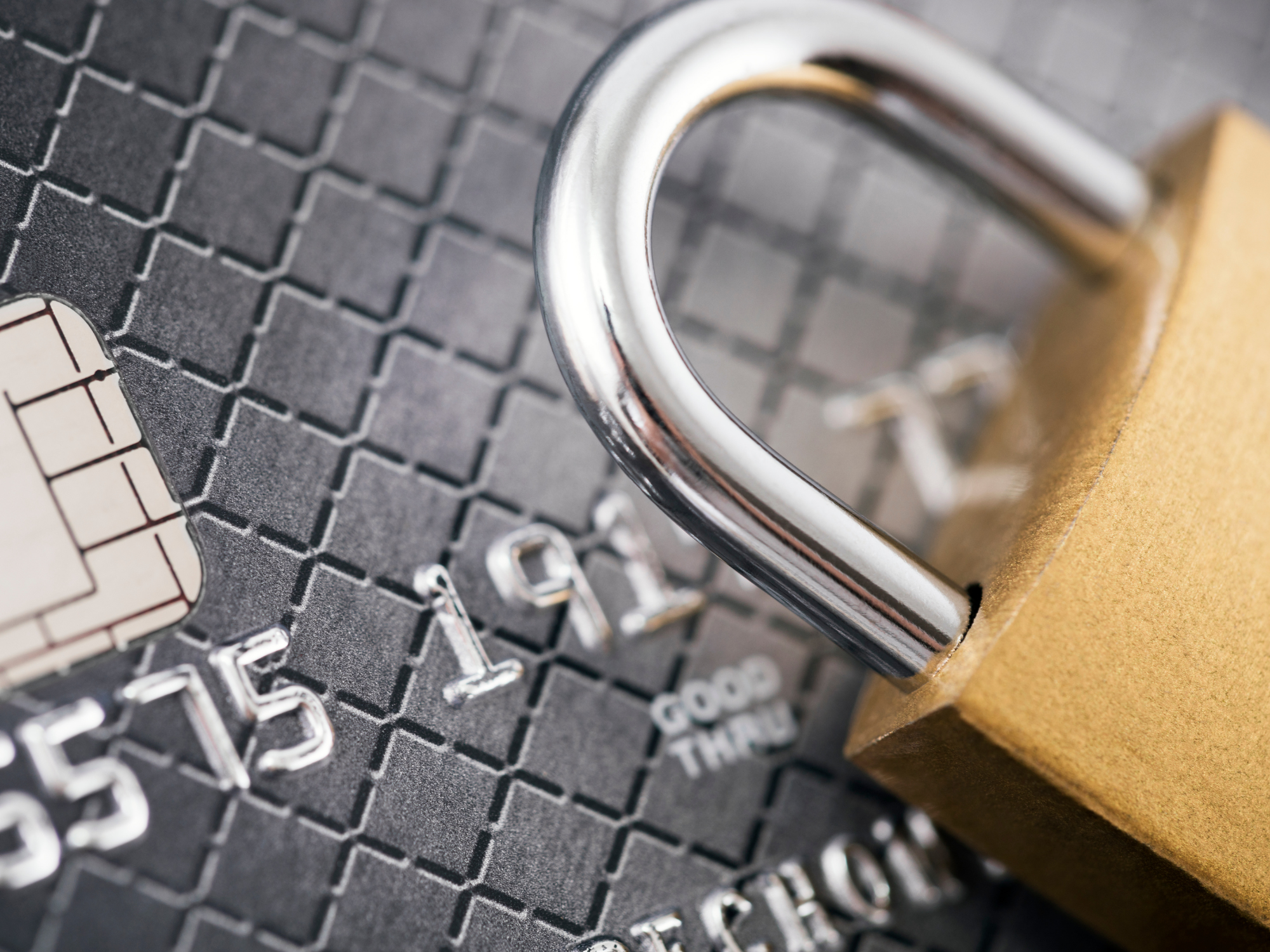
Every business that takes payments has a responsibility to keep customer data safe.
Whether you take payments over the phone, online, through a contact centre or as part of a regular customer service process, people expect the experience to be simple, professional and secure. They also expect their personal and payment information to be protected at every stage.
That is where secure payment solutions become essential.
For businesses that handle card payments, security is not just a technical issue. It affects trust, compliance, reputation and customer confidence. If your payment process feels outdated or risky, it can create unnecessary pressure for your team and concern for your customers.
What are secure payment solutions?
Secure payment solutions are systems designed to help businesses accept payments safely while reducing the risk of sensitive card details being exposed.
They can help protect customer information by removing card data from vulnerable environments, such as call recordings, internal systems or employee screens. This is especially important for businesses that take payments over the phone or through customer service teams.
A secure payment setup can support:
- Safer card transactions
- Better customer confidence
- Reduced exposure to fraud
- Easier compliance processes
- Protection of sensitive payment data
- A more professional customer experience
For businesses that regularly process payments, this can make a significant difference.
Why payment security matters
Payment security matters because customers are trusting your business with sensitive information.
If that information is mishandled, lost or exposed, the consequences can be serious. A payment data breach can damage customer trust, create financial cost, lead to operational disruption and harm your reputation.
Even if a breach never happens, a poor payment process can still create problems. For example, if staff manually handle card details or if card information is captured in call recordings, your business may be creating unnecessary risk.
A secure payment solution helps reduce that risk.
What is PCI DSS?
PCI DSS stands for Payment Card Industry Data Security Standard.
It is a set of security standards designed to help protect cardholder data. Any business that stores, processes or transmits payment card information needs to understand its responsibilities around PCI DSS.
For many businesses, PCI compliance can feel complicated. There are technical requirements, process considerations and security controls to think about. The good news is that the right payment solution can help reduce the scope of PCI DSS and make compliance easier to manage.
The risks of outdated payment processes
Many businesses still rely on payment processes that were not built for today’s security expectations.
Common risks include:
- Staff hearing or seeing full card details
- Card numbers are being stored in notes or systems
- Payment details are being captured in call recordings
- Customers reading card details aloud over the phone
- Limited visibility over payment security
- Complicated PCI compliance responsibilities
These risks can often be reduced with better payment technology.
A secure payment solution can allow customers to enter their card details safely, while your team remains available to support the conversation. This creates a better experience for the customer and reduces the amount of sensitive data your business handles directly.
Benefits of secure payment solutions
1. Protect customer data
The most obvious benefit is stronger protection for customer card information.
By reducing the need for employees to hear, see or manually process card details, your business can lower the risk of sensitive data being exposed.
This is particularly valuable for organisations that take payments over the phone, where traditional processes can create security challenges.
2. Support PCI DSS compliance
PCI DSS compliance is a key responsibility for businesses that handle card payments.
Secure payment solutions can help reduce the amount of cardholder data your business comes into contact with. This can make the compliance process simpler and reduce pressure on internal teams.
While no solution removes every responsibility, using the right technology can make it much easier to build a safer, more compliant payment environment.
3. Build customer trust
Customers want reassurance that their payment details are being handled properly.
A secure, professional payment process can help build confidence. It shows that your business takes data protection seriously and has invested in safer ways to process transactions.
That trust can make a real difference, especially for businesses handling regular payments, high-value transactions or sensitive customer relationships.
4. Improve the customer experience
Security should not make payments harder.
The best secure payment solutions protect data while keeping the process simple for the customer. For example, customers can enter their card details using their phone keypad while still speaking with a member of your team.
This keeps the payment journey smooth, supported and secure.
5. Reduce risk for employees
Payment security is not only about customers. It also protects your staff.
When employees are asked to manually handle card details, they can be placed in a difficult position. Removing sensitive card data from the conversation helps protect them from unnecessary responsibility and reduces the chance of human error.
Who needs secure payment solutions?
Secure payment solutions are useful for any organisation that takes card payments, but they are especially valuable for businesses that:
- Take payments over the phone
- Run a contact centre
- Process regular customer payments
- Handle sensitive customer data
- Need to meet PCI DSS requirements
- Record customer calls
- Want to reduce payment-related risk
- Need a smoother and safer payment process
This could include professional services, housing providers, charities, healthcare organisations, membership bodies, retailers, local authorities, education providers and many other customer-facing businesses.
Secure payments and call recording
Call recording is useful for training, quality monitoring and dispute resolution, but it can create a challenge when payments are taken over the phone.
If a customer reads their card details aloud, that information may be captured in the recording. This can create security and compliance risks.
A secure payment solution can help prevent card details from entering the call recording environment. The customer can input their payment details securely, while the agent remains on the call to guide them through the process.
This gives the business the benefit of call recording without unnecessarily exposing payment data.
How Silver Lining can help
Silver Lining helps businesses create safer and more reliable payment processes through secure payment solutions designed to support PCI DSS compliance and protect customer data.
Rather than relying on outdated or manual payment methods, businesses can use technology that reduces risk, improves the customer journey and gives teams more confidence when handling payments.
Silver Lining can support businesses with secure payment solutions that help:
- Reduce exposure to sensitive card data
- Support PCI DSS compliance
- Improve payment security
- Protect call recordings from card data
- Create a smoother customer payment experience
- Reduce pressure on internal teams
For businesses that want to take payment security seriously, this can be a practical step towards stronger protection and better customer trust.
Final thoughts
Secure payments are no longer optional.
Customers expect their payment details to be protected, and businesses need processes that support compliance, reduce risk and provide a smooth experience.
If your business still relies on manual card handling, customers reading details aloud, or payment data being captured in call recordings, it may be time to review your approach.
A secure payment solution can help your business protect customers, support PCI DSS compliance and create a safer payment process from start to finish.